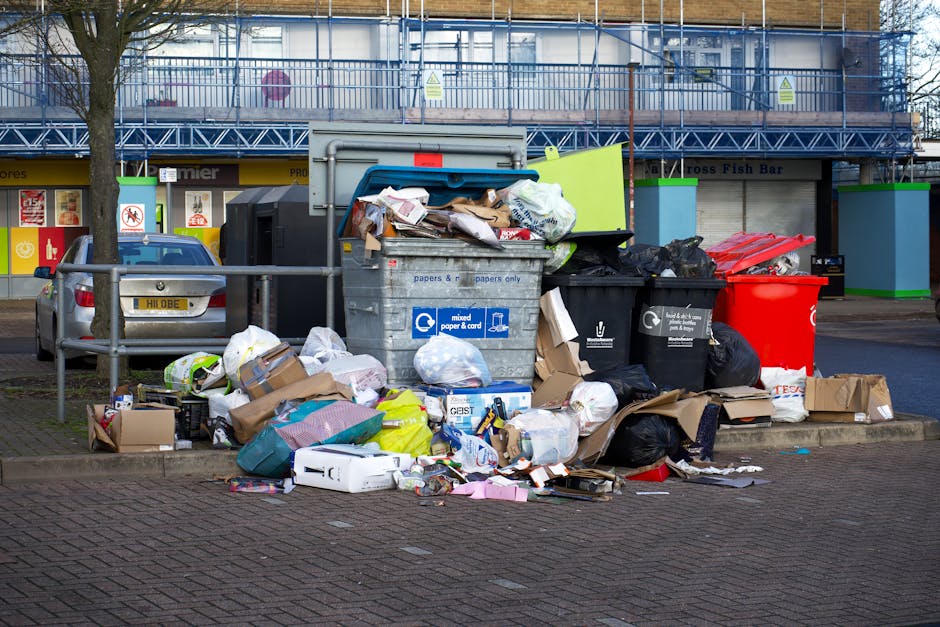
Waste disposal rules after removals in Harrow on the Hill
Moving out is rarely just about boxes, tape, and a van parked outside on a grey morning. There is always the leftover stuff: broken hangers, packaging, old furniture, chipped crockery, a lamp that somehow survived three moves too many. That is where Waste disposal rules after removals in Harrow on the Hill become important. If you are clearing a flat, house, or office in the area, you need a plan for what can be reused, what must be recycled, and what should be disposed of properly.
This guide walks through the practical side of post-removal waste handling in plain English. You will see what the rules mean in practice, how to stay on the right side of local expectations, what mistakes to avoid, and which disposal options tend to be the least stressful. Truth be told, a good waste plan can save time, money, and a lot of faff on moving day.
Table of Contents
- Why waste disposal after removals matters
- How waste disposal works after a move
- Key benefits and practical advantages
- Who this is for and when it makes sense
- Step-by-step guidance
- Expert tips for better results
- Common mistakes to avoid
- Tools, resources and recommendations
- Law, compliance, standards and best practice
- Options and comparison table
- Case study or real-world example
- Practical checklist
- Conclusion
- Frequently asked questions
Why Waste disposal rules after removals in Harrow on the Hill Matters
After a move, waste is not just an eyesore. It can become a compliance issue, a safety issue, and a neighbour issue all at once. In a place like Harrow on the Hill, where streets can be narrow, access can be awkward, and timed collections matter, poor disposal planning can quickly turn into a messy weekend. You may not notice the problem while you are surrounded by moving boxes, but the pile of leftover waste can grow fast.
The practical reason these rules matter is simple: once your belongings are gone, the remaining waste still has to go somewhere lawful. That means separating recyclable materials, identifying anything that needs special handling, and avoiding fly-tipping shortcuts. Even small mistakes, like leaving a sofa beside a communal bin area or mixing general rubbish with electrical waste, can create unnecessary hassle. And nobody wants a fine or a complaint after an already tiring move.
There is also a quality-of-life angle. A well-managed clear-out makes the property easier to hand over, cleaner for the next occupant, and less stressful for the people doing the move. If you are using removals or planning a move with house removals, waste management should be part of the plan from the start, not an afterthought once the van has gone.
Expert summary: The safest approach is to sort waste before moving day, keep reusable items separate, and use lawful disposal channels for anything that cannot be kept, sold, donated, or stored.
How Waste disposal rules after removals in Harrow on the Hill Works
In practice, post-removal waste disposal follows a fairly sensible flow. First, you identify what is actually waste. That sounds obvious, but during a move people often bin things that could be reused, repaired, or stored for later. Then you sort items into rough categories: general household waste, recycling, bulky waste, electrical items, hazardous materials, and anything that is still usable.
The next step is choosing the right route for each category. Light packaging may go into household recycling if it is clean and accepted locally. Old furniture might be suitable for resale, donation, or collection as bulky waste. Fridges, freezers, batteries, paint, solvents, and certain cleaning products need more careful handling. If you are dealing with an office move, the process gets even more detailed because paperwork, IT equipment, and confidential items may need separate treatment; that is where office removals and document storage can be useful in keeping non-waste items out of the bin stream.
The final part is ensuring the waste leaves the property properly. That may mean arranging a licensed collection, using a council-approved route, or taking sorted materials to a suitable facility. If the waste is being removed as part of a bigger move, some people also combine it with removals and storage so that uncertain items are held safely while they decide what stays and what goes. Not glamorous, but very effective.
One practical point worth repeating: "remove it quickly" is not the same as "dispose of it correctly." They are different things. Different by a mile, really.
Key Benefits and Practical Advantages
Getting waste disposal right after a move gives you more than a tidier floor. It can make the entire transition smoother, especially if you are moving on a tight deadline or handing the property back the same day.
- Cleaner handover: The property is easier to inspect and hand back without last-minute panics.
- Less clutter in transit: Fewer unwanted items to load, unload, and sort again later.
- Lower risk of disputes: Clear waste handling helps avoid complaints from landlords, neighbours, or building managers.
- Better recycling outcomes: Sorting materials properly gives reusable and recyclable items a better chance of being diverted from landfill.
- Reduced stress: Moving is already a lot; not having a pile of mystery junk sitting around helps more than you would think.
There is also a financial advantage. If you separate reusable items early, you may avoid paying to dispose of things that still have value. A decent chair, a bookcase, or a working appliance might be better stored temporarily in self storage or short-term storage while you decide what to do. That is a lot cheaper than rushing into disposal and regretting it later.
For business users, the benefit is sharper still. Office clear-outs can involve confidential files, redundant furniture, and packed equipment that should not be mixed together. Using business storage or office storage can keep assets safe until a final decision is made.
Who This Is For and When It Makes Sense
This topic matters to anyone who is moving out and facing a pile of leftovers, but some people need it more urgently than others.
- Home movers: Families, couples, landlords, and first-time movers clearing out rooms, lofts, garages, and sheds.
- Flat movers: Tenants in shared buildings, where access, bins, and communal space rules can be stricter. For compact or staircase-heavy properties, flat removals and small removals can help keep the process orderly.
- Students: Those leaving term-time accommodation with furniture, kitchen bits, and packaging they do not want to keep. In these cases, student storage can be a handy halfway point.
- Business owners: Offices clearing out old desks, files, stock, and IT equipment.
- People downsizing: Anyone making hard decisions about what to keep, sell, store, or dispose of. A very ordinary kind of life admin, but still a big task.
It also makes sense if you are moving in stages. Maybe the new place is not ready yet, or you have builders coming in after the move. In that case, temporary holding space can be more sensible than dumping things in a hurry. Services such as mobile self storage, secure storage, or long-term storage may be more useful than immediate disposal for items you are not ready to part with.
And if you are working to a very tight day, sometimes the simplest answer is a planned moving support option such as man and van or local removals. Less strain, less guesswork, less stuff left standing in a hallway at 8pm.
Step-by-Step Guidance
If you want a practical approach, use this sequence. It keeps the job manageable and prevents that awful feeling of sorting the same pile three times.
- Walk through the property room by room. Start with obvious waste: broken items, empty packaging, old consumables, damaged furniture.
- Split items into categories. General waste, clean recycling, bulky items, electricals, and anything that could still be reused.
- Remove valuable or useful items first. Put aside anything you might sell, donate, or keep in storage. This is where furniture storage can be a smart pause button.
- Check for special disposal needs. Paint, batteries, chemicals, gas canisters, and old electronics usually need separate handling.
- Pack waste securely. Use strong bags, seal boxes, and keep sharp or heavy items from splitting open in transit. Packing really does matter here; packing services can reduce that chaos if you are short on time.
- Choose the right disposal route. Use legal collections, appropriate recycling routes, or storage if the item is not yet ready to leave your control.
- Leave the property clear and safe. Remove loose nails, glass, cables, and trip hazards before final handover.
If you are unsure about an item, treat it as "needs checking" rather than "throw it out." That tiny pause can save you from a costly mistake. It sounds a bit cautious, I know, but cautious is good when waste and regulations are in the mix.
Expert Tips for Better Results
The biggest improvement usually comes from planning earlier than you think you need to. Most people leave waste sorting until the end, when the kitchen is already echoing and the hall is full of half-taped boxes. Better to start two or three days before the move if you can.
Tip 1: Use a three-pile method. Keep one pile for keep, one for dispose, and one for unsure. The unsure pile is important because it stops you making rushed decisions. Honestly, that pile saves a surprising amount of regret.
Tip 2: Keep recycling clean and separate. Food waste, liquids, and mixed materials can ruin recyclability. Flatten cardboard, rinse what needs rinsing, and keep clean materials dry.
Tip 3: Think twice before binning bulky items. If a sofa, wardrobe, or table is still decent, consider whether it can be stored, reused, or passed on. If the item is awkward to move, furniture storage or removals and storage may buy you time.
Tip 4: Protect common areas. In shared buildings, avoid blocking hallways or bin stores. That is where complaints start, usually before the kettle has even boiled.
Tip 5: Keep receipts or collection notes if you use a disposal provider. It is a simple habit, but useful if anyone later asks how the waste was handled.
Tip 6: Make one person responsible. On moving day, too many opinions can slow everything down. One lead person, one decision trail. Clean and simple.
Common Mistakes to Avoid
Most problems come from speed, not bad intentions. Here are the ones we see most often.
- Leaving waste for "later." Later becomes never, and never becomes a tired scramble at the end of the day.
- Mixing recyclables with general rubbish. Once that happens, the whole bag may need to be treated as residual waste.
- Dumping items beside bins or in communal areas. That can look like fly-tipping and may create complaints.
- Forgetting hazardous items. Batteries, chemicals, and certain electrical goods should not be treated like ordinary rubbish.
- Assuming a provider will take everything. Always check what is included and what needs separate handling under the service terms.
- Throwing away useful items too early. A little storage can be more practical than a rushed disposal decision.
One slightly awkward but common issue is the "half-clean flat" problem. The rooms are empty, but the cupboards still hold old chargers, bent cutlery, and random screws from three furniture assemblies ago. It does not look like much until you start bagging it. Then suddenly there is a mountain.
Tools, Resources and Recommendations
You do not need fancy tools to handle post-removal waste properly, just a few basics and a sensible system.
- Strong refuse sacks: Helpful for loose rubbish and soft waste.
- Marker pens and labels: Great for marking keep, recycle, dispose, or donate boxes.
- Heavy-duty tape: Useful for securing boxes that contain sharp or mixed items.
- Protective gloves: A must when handling broken or dirty material.
- Storage access: If you are undecided, use temporary holding space instead of rushing. Short-term storage works well for this.
For people moving homes, the most practical combination is often removals plus storage plus a pre-sorted waste plan. If your move is complex, removals combined with household storage can reduce pressure and keep the "maybe keep" items out of the bin pile.
For businesses, the same idea applies with a stronger emphasis on organisation. Office storage and business storage help separate active items from obsolete ones so you are not making decisions in a rush on the last day of the lease. A tidy system beats a heroic clean-up, every time.
If sustainability matters to you, it is also worth reviewing the site's recycling and sustainability information, especially if you want your move to be handled with a more responsible mindset.
Law, Compliance, Standards and Best Practice
For waste disposal after removals, the key principle is straightforward: waste should be handled responsibly, not abandoned. In the UK, household and commercial waste must be managed in line with accepted waste duty expectations, and if a third party is collecting or handling it, it is sensible to make sure they are operating lawfully and safely. If something feels vague, it usually is. That is a good sign to pause.
Best practice means more than just "put it in a bag." It includes sorting materials, avoiding unsafe storage of waste, keeping walkways clear, and using appropriate routes for electrical items, bulky goods, and potentially hazardous materials. Where a move involves contractors, ask what is covered, what is excluded, and how any waste is separated. The answer should be clear enough that you do not need to decode it over tea.
If you are moving business records or sensitive items, do not mix them with ordinary rubbish. Confidential material should be treated separately, and if it needs to be retained rather than destroyed, document storage is often the safer option. For items with safety implications, it is also worth reviewing relevant health and safety policy information and the site's insurance and safety details so expectations are clear.
One final compliance point: fly-tipping is not a shortcut. It is a liability. If in doubt, store it, sort it, or use a lawful removal route.
Options, Methods, or Comparison Table
There is no single best way to handle waste after removals. The right option depends on time, item type, and how quickly you need the space cleared.
| Option | Best for | Advantages | Limitations |
|---|---|---|---|
| Reuse or donation | Usable furniture, household items, decor | Lower waste, can help others, often cheapest | Needs time and acceptable condition |
| Recycling | Clean cardboard, paper, some packaging, certain materials | Environmentally responsible, simple for sorted items | Must be clean and separated properly |
| Bulky waste collection | Large items that cannot be reused | Convenient for sofas, mattresses, large chairs | May have restrictions on item type and timing |
| Storage first, decision later | Items you are unsure about | Prevents rushed disposal, useful during staged moves | Ongoing storage cost |
| Professional removals support | Full house or office moves with mixed contents | Less stress, better handling, fewer mistakes | Needs planning and clear instructions |
If you are moving a smaller place, a simple route may work best. For a bigger home or a business site, combining support from small removals or office removals with a storage plan usually gives you more control.
Case Study or Real-World Example
Here is a realistic example. A couple moving out of a two-bedroom flat in Harrow on the Hill had the usual mix: cardboard stacks, a tired sofa, kitchen clutter, an old desk chair, and a box of cables nobody wanted to claim. On paper, it looked like a quick disposal job. In reality, the sofa was too good to throw away immediately, the desk chair was still usable, and a few boxes were full of things they were not ready to decide on.
Instead of rushing, they split the contents into four groups: keep, recycle, donate, and unsure. The unsure items went into secure storage for a short period while they settled into the new place. Cardboard and clean packaging were recycled. The old desk chair was sold. The sofa was kept out of the waste stream until they had time to arrange a proper next step. The result was a cleaner handover and far less pressure on moving day.
What worked well was not speed. It was order. That is usually the secret. Not very exciting, but very effective.
Practical Checklist
Use this simple checklist before and after your move:
- Sort items into keep, recycle, donate, dispose, and unsure.
- Separate clean packaging from general waste.
- Identify electrical items, batteries, and hazardous materials early.
- Decide whether bulky items should be collected, reused, or stored.
- Keep hallways, stairs, and bin areas clear.
- Label boxes clearly so waste is not mixed with valuables.
- Use storage for items you are not ready to lose.
- Check move-day instructions in advance if you are using a removals provider.
- Keep any disposal notes or collection records.
- Do a final sweep for chargers, screws, keys, documents, and small loose items.
Get a free quote today and see how much you can save.
If you want a calmer move, plan the waste side early and keep your options open. A little structure now saves a lot of chasing around later, and that peace of mind is worth quite a bit.
Conclusion
Waste disposal rules after removals in Harrow on the Hill are really about common sense done properly. Sort early, avoid mixing materials, respect safety and access, and use the right route for each item. If something is still useful, do not rush it into the bin. If something is awkward or uncertain, store it first and decide later. That one habit alone can make a move feel much more manageable.
The best outcomes come from calm decisions, not last-minute heroics. Whether you are clearing a flat, a house, or an office, a tidy waste plan helps you hand over the property cleanly and start the next chapter without dragging a pile of old clutter behind you. And really, isn't that the point?
Take it one room at a time, keep the good stuff safe, and let the rest leave in the right way. Small steps. Big relief.
Frequently Asked Questions
What counts as waste after a removal?
Anything you are not keeping, selling, donating, recycling, or storing can count as waste after a removal. That includes broken items, unwanted packaging, worn-out furniture, and miscellaneous household bits that no longer have a purpose.
Can I leave rubbish beside the bins after moving out?
No, not usually. Leaving items beside bins or in communal areas can create access problems and may be treated as improper disposal. It is much safer to use the correct collection or disposal route.
What should I do with furniture I do not want yet?
If the furniture is still usable but you are undecided, storage is often a better choice than immediate disposal. That gives you time to sell, donate, or repurpose it later without rushing.
How do I handle old electronics after a move?
Electrical items should be separated from general waste. They often need specific handling, so keep them in a separate box and do not mix them with packaging or food waste.
Is it better to recycle cardboard or throw it away?
Clean cardboard is usually worth recycling if it is accepted in your local system. Flatten it, keep it dry, and do not contaminate it with food, tape excess, or mixed rubbish.
What if I have hazardous waste like paint or batteries?
Hazardous items should not be treated like normal rubbish. Keep them separate and use an appropriate disposal route. If you are unsure, treat the item cautiously until you can confirm the right handling method.
Can removals companies take away my waste too?
Some can, but you should always check what is included and what is excluded. Never assume all waste can be collected automatically. Clarify the arrangement before moving day.
How can I make a move cleaner and less stressful?
Start sorting early, label everything clearly, and separate reusable items from waste before the van arrives. That avoids a lot of confusion, and honestly, it makes the whole day feel less frantic.
What is the safest option for items I might need later?
Short-term storage is often the safest option for items you are not ready to part with. It keeps the decision open and helps prevent regret from rushed disposal.
Do I need to keep proof of disposal?
It is a good idea if a third party handled the waste, especially for business moves or larger clear-outs. Notes, receipts, or collection confirmation can be useful if any questions come up later.
What is the biggest mistake people make after removals?
The biggest mistake is usually leaving waste sorting until the very end. When that happens, people start mixing items, overlooking recyclables, and making rushed choices. A little planning solves most of it.
Where can storage help during a move?
Storage is useful when you are unsure about items, moving in stages, or waiting for the new property to be ready. Options like self storage, short-term storage, or secure storage can keep your move flexible and far less chaotic.
If you want to keep your move organised, choose the sensible route for each item and give yourself room to think. That is usually where the real saving is, both in stress and in cost.